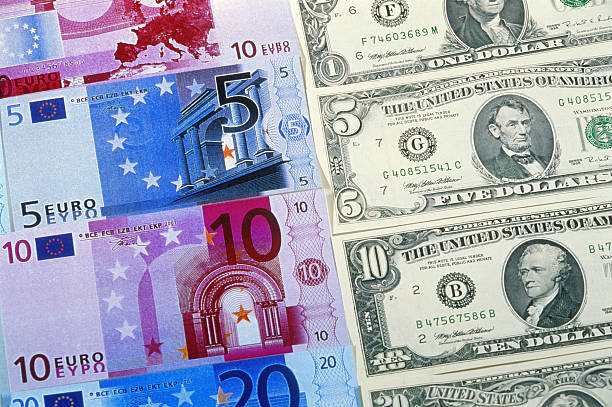

- USD-JPY 157.894 (+0.1 )
- GBP-USD 1.3367 (+0.31 )
- AUD-USD 0.70322 (-0.3 )
- USD-CAD 1.39797 (-0.09 )
- USD-CHF 0.82612 (-0.19 )
- NZD-USD 0.56281 (+0.1 )
Defining pip as smallest price move
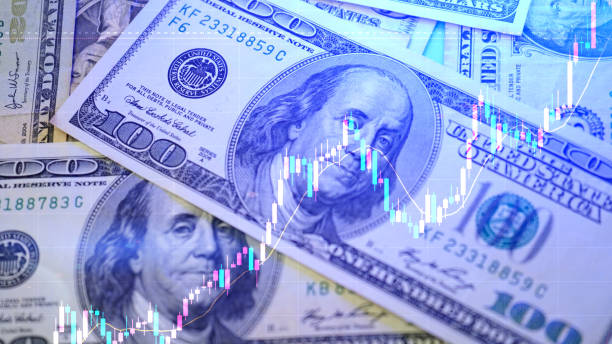
In the foreign exchange market, precision is not a luxury—it is a necessity. Every trade, every strategy, and every profit calculation ultimately rests on the smallest measurable unit of price movement. That unit is the pip. For traders using ForexTrades.net to build a foundation in currency markets, grasping the nature of the pip and its fractional cousin, the pipette, is a prerequisite for understanding how prices are quoted, how spreads are measured, and how risk is managed. Without this knowledge, even a profitable-looking trade can conceal serious miscalculations.
A pip, an acronym for “percentage in point” or “price interest point,“ is the standard unit of change in a currency pair’s exchange rate. For the vast majority of major currency pairs, a pip represents a movement of 0.0001 in the price. When you see EUR/USD quoted at 1.1050 and it moves to 1.1051, that one‑hundredth of a cent movement is one pip. This convention arose from historical trading practices and is now the universal language of price change in the spot forex market. However, not all pairs follow the same pattern. The Japanese yen pairs, such as USD/JPY, are quoted to only two decimal places under normal circumstances, meaning a pip equals 0.01. A move from 150.00 to 150.01 is one pip for yen‑based pairs. This difference is not arbitrary; it reflects the relative face value of the currencies and keeps pip values within a comparable range for risk management.
The pip’s importance goes far beyond simple price quotation. It is the fundamental building block of all cost and profit calculations in forex trading. The spread—the difference between the bid and ask price—is measured in pips. When a broker quotes a spread of 1.5 pips on EUR/USD, it means the cost of opening a round‑turn trade is 1.5 times the value of one pip. The trader must recoup that cost just to break even. Similarly, stop losses and take profit orders are typically set in pip distances. A strategy that relies on a 20‑pip stop loss must account for the spread as well, or the stop could be triggered prematurely. In this sense, the pip is not just a measurement; it is the risk denominator of the entire trading operation.
But the market has evolved. With the rise of algorithmic trading and tighter spreads, the need for greater granularity emerged. This gave birth to the pipette, a fractional pip representing one‑tenth of a full pip. For most pairs, a pipette equals 0.00001 in the price quote, or 0.001 for yen pairs. You will see these as the fifth decimal place on your trading platform. If EUR/USD is quoted at 1.10505, the last digit is the pipette. Pipettes allow brokers to offer tighter spreads than a full pip would permit, and they give traders more precise entry and exit points. For a scalper who operates on razor‑thin margins, the difference between a spread of 0.8 pips and 1.0 pips can be the difference between a profitable day and a losing one. Pipettes are not decorative—they are a functional tool that reflects the increasing sophistication of the retail forex market.
A common point of confusion for new traders is the relationship between pips and pip value. The pip is a measurement of price movement. The pip value is the actual monetary gain or loss you realize when that move happens, and it depends on your trade size and the currency pair. For a standard lot of 100,000 units in EUR/USD, one pip is worth approximately ten U.S. dollars. For a mini lot of 10,000 units, one pip is worth about one dollar. This calculation changes when the quote currency differs from your account currency, but the pip remains the constant reference point. You calculate your risk in pips, then translate that into dollars using your pip value. To ignore the distinction between pip and pip value is to trade blind.
Another nuance that separates knowledgeable traders from amateurs is awareness of how brokers handle pipettes. Many retail platforms display prices with five decimal places and refer to the fourth decimal as the pip. Some brokers, however, use the term “point” to refer to the pipette and “pip” to refer to the fourth decimal. This is not a uniform standard. You must check your broker’s quoting convention before you enter a trade. A misunderstanding here can lead to placing stops at the wrong distance or miscalculating your position size. Trust the number on the screen, but verify what that number actually represents.
The role of the pip and pipette extends into fundamental market analysis as well. When Central Banks adjust interest rates by 25 basis points, traders immediately map that change into pip expectations for the relevant currency pairs. News reports about volatility will describe a movement of 100 pips in a single day as a major event. The pip is the language that connects macroeconomics to trade execution. Without it, you cannot translate a news headline into a trade decision.
For the trader who wants to move beyond beginner territory, the pip is not just a definition to memorize; it is a framework for thinking about risk, cost, and reward. Every trade begins with a pip count, and every outcome is measured in the same unit. Pipettes give you the precision to compete in a market where fractions of a point matter. Master this granular level of pricing, and you will find that your risk management becomes more accurate, your trade planning more disciplined, and your understanding of market mechanics infinitely clearer. In forex trading, the smallest unit often carries the greatest weight.


Currency Quotes
EUR-USD


Current
1.11692Change
+0.15
USD-JPY

Current
157.894Change
+0.1
GBP-USD

Current
1.3367Change
+0.31
AUD-USD

Current
0.70322Change
-0.3
USD-CAD

Current
1.39797Change
-0.09
USD-CHF

Current
0.82612Change
-0.19
NZD-USD

Current
0.56281Change
+0.1