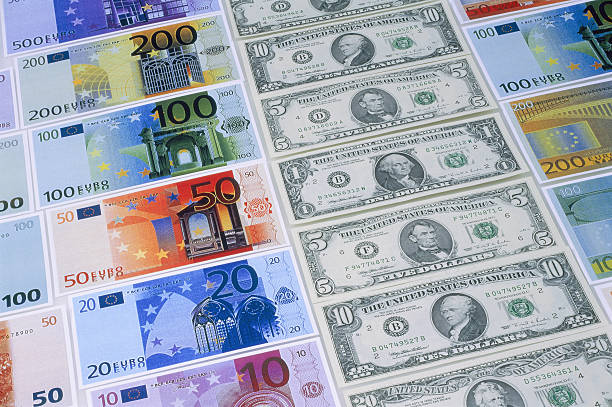

- USD-JPY 157.894 (+0.1 )
- GBP-USD 1.3367 (+0.31 )
- AUD-USD 0.70322 (-0.3 )
- USD-CAD 1.39797 (-0.09 )
- USD-CHF 0.82612 (-0.19 )
- NZD-USD 0.56281 (+0.1 )
Elections create uncertainty and volatility

In the world of foreign exchange, few events generate as much uncertainty and price dislocation as national elections. For traders on ForexTrades.net, understanding how elections influence exchange rates is not merely academic—it is a practical necessity for managing risk and capitalizing on opportunities. Elections represent a fundamental shift in the political landscape, and because currencies are priced not just on economic data but on perceptions of future governance, the electoral cycle can inject dramatic volatility into major and emerging market pairs alike.
The core mechanism through which elections affect exchange rates is the disruption of policy continuity. A currency’s value is, at its simplest, a reflection of confidence in a country’s economic management. When an election approaches, markets begin to price in potential outcomes that may alter fiscal policy, trade agreements, monetary policy independence, or regulatory frameworks. Even if the incumbent government is widely expected to win, the mere possibility of a change creates a risk premium. This premium manifests as a depreciation of the domestic currency ahead of the vote, as traders hedge against adverse scenarios. For example, a contested election with a populist candidate who promises protectionist trade policies can trigger capital flight, driving the local currency lower as investors seek safe-haven assets like the US dollar, Japanese yen, or Swiss franc.
The uncertainty surrounding election results is amplified by opinion polls that are often unreliable or subject to late swings. Markets react sharply to polling surprises because they force rapid repricing of probabilities. A candidate perceived as market-unfriendly gaining ground in the final weeks can cause a spike in implied volatility, measured by options pricing. This volatility is not random; it is a rational response to the fact that a new government may reverse structural reforms, nationalize industries, or default on debt. In emerging economies, where institutions are weaker, the link between elections and currency crashes is especially pronounced. The Mexican peso, for instance, has historically seen dramatic moves around US election cycles due to trade policy fears, and similarly, the Turkish lira has suffered steep declines when elections threatened the independence of the central bank.
Beyond the immediate pre-election period, the aftermath of a vote can sustain or reverse volatility. If the result is a clear victory for a stable, pro-business party, the currency often rallies as uncertainty dissipates. The initial bounce may be sharp, but traders should watch for a second phase: the implementation reality. Markets may have priced in an ideal scenario, but actual policy execution can disappoint. Conversely, a narrow victory or a hung parliament prolongs uncertainty, keeping the currency under pressure for weeks or months. In coalition governments, the need for compromise can lead to policy paralysis, eroding investor confidence and keeping exchange rates depressed. The euro, for example, has frequently experienced sustained volatility after elections in key member states like France or Italy, where coalition negotiations test the stability of the entire Eurozone.
Geopolitical risks intertwine with electoral outcomes in ways that amplify currency moves. An election in a region with existing tensions—such as Eastern Europe, the South China Sea, or the Middle East—can trigger a flight to safety not just in the local currency but in neighboring currencies and commodities. A candidate with a confrontational foreign policy stance can raise the risk of sanctions, trade disruptions, or military conflict, all of which damage the domestic currency’s attractiveness. Conversely, an election that brings a conciliatory leader may prompt a sharp appreciation, though such moves are often temporary if underlying geopolitical fractures remain. Traders must therefore assess not only who wins but what that win signals about future diplomatic and military posture.
For the casual yet moderately active Forex trader, navigating election-driven volatility requires a disciplined approach. One should avoid taking large directional bets during the week of an election unless equipped with robust hedging strategies, such as using options or reducing position sizes. Instead, focus on post-election trends that align with macroeconomic fundamentals. If a pro-reform candidate wins, the currency may initially spike, but the real opportunity often comes weeks later when actual reform progress (or lack thereof) becomes clear. Similarly, if a market-negative candidate wins, the initial crash may be overdone, creating a mean-reversion trade for the patient. But never ignore the possibility of contested results or delayed outcomes—such scenarios can lock markets in a state of extended volatility, punishing anyone who assumes a quick resolution.
Ultimately, elections are not just political events; they are stress tests for currency stability. The factors influencing exchange rates—interest rate differentials, trade balances, inflation—all react to the political signals an election sends. On ForexTrades.net, we emphasize that political stability is not a static condition but a dynamic narrative that markets read continuously. By monitoring electoral calendars, polling trends, and the historical behavior of currency pairs around votes, you can transform uncertainty from a source of fear into a source of strategic advantage. The key is to recognize that while elections create short-term noise, they also reveal the underlying resilience or fragility of a nation’s economic framework. Trade the narrative, but always anchor your decisions in the fundamentals that persist long after the ballots are counted.

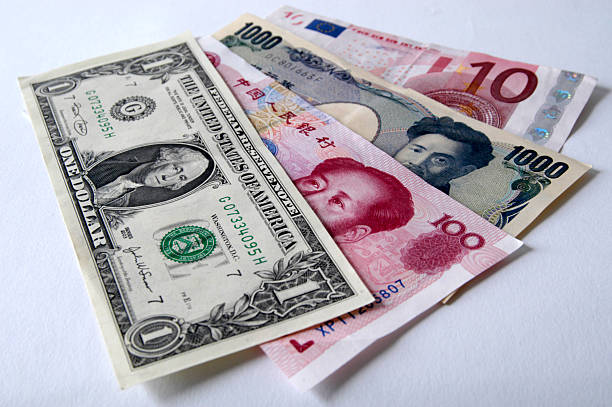



Currency Quotes
EUR-USD


Current
1.11692Change
+0.15
USD-JPY

Current
157.894Change
+0.1
GBP-USD

Current
1.3367Change
+0.31
AUD-USD

Current
0.70322Change
-0.3
USD-CAD

Current
1.39797Change
-0.09
USD-CHF

Current
0.82612Change
-0.19
NZD-USD

Current
0.56281Change
+0.1