

- USD-JPY 157.894 (+0.1 )
- GBP-USD 1.3367 (+0.31 )
- AUD-USD 0.70322 (-0.3 )
- USD-CAD 1.39797 (-0.09 )
- USD-CHF 0.82612 (-0.19 )
- NZD-USD 0.56281 (+0.1 )
Match transaction type to your goals
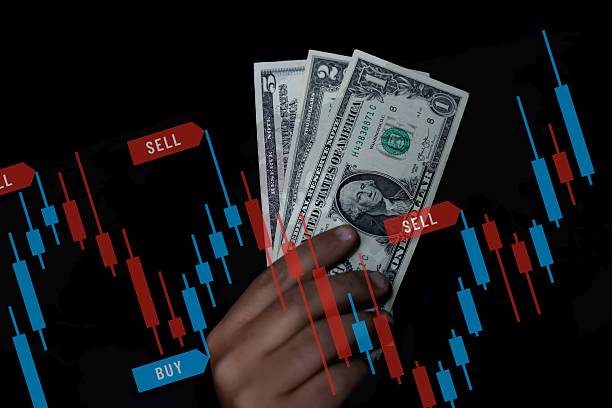
When you trade currencies on the foreign exchange market, every transaction you execute is not a single monolithic act. It is a deliberate choice among several distinct transaction types, each with its own settlement timeline, liquidity profile, and risk exposure. The mistake many moderately active investors make is treating all forex transactions as interchangeable. They are not. Matching the transaction type to your specific trading goals is not a matter of preference—it is a prerequisite for capital preservation and consistent profitability. At ForexTrades.net, we want you to understand that choosing the wrong transaction type can silently erode your edge, while the right choice amplifies your strategy.
The most common transaction type in retail forex is the spot transaction. A spot trade is an agreement to exchange one currency for another at the current market price, with settlement typically occurring two business days later for most major pairs. For the casual investor, spot trading is the default because it is simple, immediate, and requires no forward contracting. However, spot transactions expose you to overnight rollover costs or credits, known as swap points, which can accumulate significantly if you hold positions beyond the daily settlement cutoff. If your goal is short-term speculation—holding trades for minutes or hours—spot transactions are appropriate because rollover costs are negligible. But if your goal is to hold positions for weeks or months to capture broader macroeconomic trends, the cumulative swap costs can turn a fundamentally sound trade into a losing proposition. In that case, spot may not serve your goals.
For longer-term directional bets, you should consider forward transactions. A forward contract is a customized agreement between two parties to exchange currencies at a predetermined rate on a future date beyond the spot settlement period. Hedging is the primary goal here. If you are a business owner or an investor with known future foreign currency exposure, a forward locks in your exchange rate and eliminates uncertainty. For retail traders, forwards are less common but valuable when you have a strong conviction about a currency pair’s direction over several months and want to avoid the daily interest debits of spot trading. The disadvantage is liquidity—forwards are not standardized and can be harder to exit early without incurring a spread penalty. If your goal is to hedge a specific future cash flow or to hold a position without daily cost erosion, forwards are superior to spot.
Futures transactions offer a different trade-off. Forex futures are standardized contracts traded on centralized exchanges like the Chicago Mercantile Exchange. They have fixed expiration dates, daily mark-to-market margin requirements, and transparent pricing. For the moderately active investor who wants leverage and liquidity without counterparty risk, futures are a strong match. The clearinghouse guarantees performance, meaning you do not have to worry about a broker default. However, futures require you to monitor margin calls, and the contract expiration means you must roll your position to the next month if you want to maintain exposure. If your goal is to trade with tight spreads, high leverage, and institutional-grade transparency, futures align with that style. But if you want the flexibility to hold a trade indefinitely without expiration management, futures will work against you.
Options on forex are another transaction type that suits specific goals. A currency option gives you the right, but not the obligation, to buy or sell a currency pair at a specified strike price on or before a given date. The premium you pay is the maximum loss, making options ideal for traders who want defined risk. If your goal is to profit from volatility without taking on unlimited downside, or to hedge an existing spot position with a known cost, options are your tool. The complexity is higher, and time decay works against you, so they are not for beginners. But for the advanced investor who wants to pay for leverage in a controlled way, options provide a precision instrument that spot or futures cannot match.
Finally, there is the swap transaction. A forex swap is essentially two simultaneous spot trades—one for immediate delivery and one for future delivery. Swaps are used primarily by institutional traders to roll over positions or to manage liquidity mismatches. For the individual trader, swap costs are baked into rollover rates, so you are already using swaps whether you realize it or not. If your goal is to avoid these costs entirely, you must close all positions before the daily rollover time, or choose a transaction type that does not require daily settlement.
The core principle is this: every transaction type carries a hidden cost or benefit relative to your holding period and risk appetite. Spot is best for short-term tactical trades. Forwards are for hedging future exposures. Futures are for leveraged, transparent directional bets with expiration discipline. Options are for defined-risk volatility plays. Do not let your broker default you into spot trading because it is easy. Examine your strategy, define your time horizon, and match the transaction type to your goal. That disciplined alignment is what separates those who survive in forex from those who steadily bleed capital through mismatched execution.





Currency Quotes
EUR-USD


Current
1.11692Change
+0.15
USD-JPY

Current
157.894Change
+0.1
GBP-USD

Current
1.3367Change
+0.31
AUD-USD

Current
0.70322Change
-0.3
USD-CAD

Current
1.39797Change
-0.09
USD-CHF

Current
0.82612Change
-0.19
NZD-USD

Current
0.56281Change
+0.1